Professional Roofing Company: Exceptional Choices for Every Roof
A dependable roofing company plays an essential role in preserving the integrity of a home. They provide tailored solutions that address specific roofing needs, ensuring both durability and aesthetic appeal. With a focus on premium supplies and skilled craftsmanship, these professionals can transform any roof. However, recognizing when to repair or replace a roof can be difficult. What considerations should homeowners consider when selecting a roofing partner to protect their property?
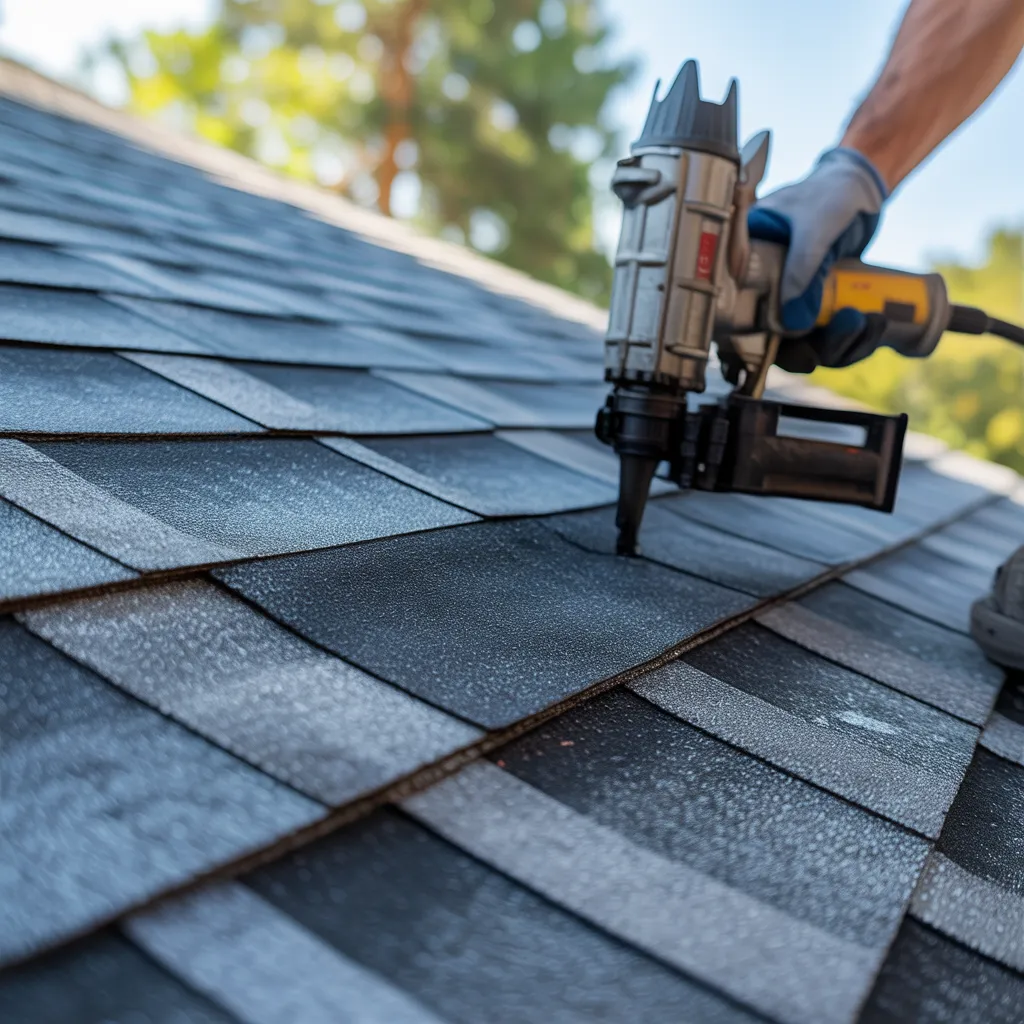
Signs You Need to Change Your Roof vs. Repair?
How can one assess whether a roof needs replacement or merely a repair? This decision depends on several important signs. Aged roofs, typically over 20 years, often signal the need for replacement, especially if they exhibit widespread wear. Missing, cracked, or curling shingles are red flags; if more than 25% of the roof is affected, replacement is likely necessary. Leaks, particularly in multiple areas, can suggest underlying structural issues that repairs alone cannot rectify. Additionally, evidence of sagging or water damage in the attic may suggest serious problems that necessitate a full roof replacement. Homeowners should also consider the cost-effectiveness of repairs versus replacement; frequent repairs may accumulate costs that exceed a new roof's price. Ultimately, a professional assessment can offer insight, ensuring homeowners make well-considered choices about their roofing needs.
Analyzing Your Roofing Needs
Determining roof requirements commences with identifying typical problems that may damage a roof's structural soundness. Property owners should also evaluate the different roofing materials available, each providing distinct advantages and drawbacks. This assessment is essential for making informed decisions regarding repairs or replacements.
Pinpointing Regular Roofing Problems
Roofing concerns often go unobserved until they progress into major problems. Homeowners should be mindful in spotting typical roof concerns, such as missing shingles, which can expose the underlying structure vulnerable to moisture. Leaks represent another critical problem, usually evidenced by water stains on ceilings or walls. Additionally, sagging spots may suggest structural damage or incorrect installation, needing immediate attention. Clogged gutters can cause water build-up, raising the risk of mold and rot. Furthermore, signs of wear, like curling or cracked shingles, can damage a roof's integrity. Regular inspections and upkeep can assist homeowners in noticing these issues promptly, ensuring the lifespan and performance of their roofing systems. Being aware of these frequent problems is important for sound roof management.
Evaluating Material Choices
After identifying typical roof issues, homeowners must consider the options accessible for their roofing requirements. Selecting the right roofing material is crucial for durability, aesthetics, and affordability. Options include asphalt shingles, known for their budget-friendly nature; metal roofing, praised for longevity and energy efficiency; and tile, which provides a distinct look and extra insulation. Each material has distinct advantages and disadvantages. Homeowners should assess local climate conditions, the architectural style of their home, and financial constraints when making a choice. Additionally, consulting with a reliable roofing company can offer useful insights into the best materials suited for specific situations. Proper assessment guarantees a informed decision that improves the home's value and protects against future issues.
What to Search for in a Trustworthy Roofing Company
When researching a reliable roofing company, what essential qualities should one prioritize? First, a proven track record of expertise is critical. Companies with extensive experience are more likely to handle various roofing challenges effectively. Second, check for proper licensing and insurance; this protects homeowners from potential liabilities. Third, clear estimates and contracts are important, as they prevent unexpected costs and guarantee transparency in service.
Customer comments and references can provide insights into a company's trustworthiness and work quality. Additionally, a commitment to using high-quality materials shows a commitment to lasting value and results. Finally, superior client care is vital; a engaged business will resolve problems without delay and maintain open communication throughout the project. By valuing these features, homeowners can choose a roofing company that meets their needs and promises a successful roofing project.
General Roofing Services
Property owners seeking reliable roofing services often discover a range of options intended to address various needs. Common roofing services feature inspections, which assess the condition of roofs and spot potential issues. Consistent upkeep is also important, as it helps increase a roof's lifespan by addressing minor repairs before they escalate.
Roof substitution is another vital service, often necessary when a roof has exhausted the span of its existence or experienced extensive damage. Installation of new roofing solutions, such as shingles, tiles, or metal, is a everyday task executed by skilled workers.
Moreover, emergency repairs are vital for tackling pressing problems, such as water seepage or storm damage, ensuring the structural soundness of the home. Finally, many companies offer gutter installation and repair, which plays an essential role in directing water away from the roof and foundation, thereby avoiding further deterioration.
Roofing Warranties: Essential Information You Need to Know
What do homeowners need to realize about roofing warranties? Roof guarantees are important for preserving your asset in a new roof. These warranties typically include protection for imperfections in materials and installation quality, delivering peace of mind to homeowners. There are two main types: manufacturer warranties, which protect against product defects, and labor warranties, which cover placement mistakes.
Homeowners need to examine carefully the terms and conditions, as coverage durations and exclusions can differ significantly. Many protection plans require regular maintenance to remain valid, making it crucial to comprehend key information these obligations. Additionally, some protection plans are assignable, adding value if the home is sold.
It is also vital to highlight that not all warranties are created equal; homeowners should assess options from different manufacturers and contractors to secure thorough coverage. Grasping these elements can help homeowners make informed decisions and safeguard their roofs for years to come.
Strategies for Coordinating With Your Roofing Contractor
Clear communication with a roofing contractor can greatly influence the success of a project. Clients should proceed by clearly outlining their expectations, including timelines, budget constraints, and specific needs. This establishes a mutual understanding from the outset.
Regular updates are essential; clients should schedule check-ins to review advancement and handle potential issues promptly. It is beneficial to record every interaction, including terms and modifications, to guarantee clarity and transparency.
Active hearing counts just as much. Contractors like when customers pose questions or request clarification, establishing a collaborative setting. Implementing visual aids, such as sketches or photos, can also convey thoughts more effectively.
To summarize, customers should remain open to expert advice. Contractors often have useful knowledge about roofing materials and techniques. By cultivating a respectful and open dialogue, both parties can work together to achieve a successful roofing project.
High-Grade Elements: Why They're Crucial for Your Roof
What role do quality materials play when it relates to roofing? The strength and durability of a roof largely copyright on the materials used. High-quality roofing materials, such as asphalt shingles, metal, or slate, provide superior durability and resistance to weather elements. They can withstand harsh conditions, reducing the risk of leaks and damage, which ultimately reduces homeowner expenses for costly repairs.
In addition, excellent materials typically provide long-term warranty coverage, giving supplementary confidence and assurance. The thermal resistance properties of quality materials also aid efficient energy management, contributing to lower climate control expenses.
Moreover, aesthetically pleasing materials strengthen a home's curb appeal, potentially increasing its resale price. In turn, committing to premium roof materials is not merely a choice but a strategic decision for long-term benefits. Reliable roofing companies prioritize these materials, guaranteeing that every roof they install satisfies high standards for performance and resilience.
Frequently Posed Questions
What is the Timeframe of a Common Roofing Project to Finish?
A standard roofing project normally takes one to three weeks to finish, subject to factors including the roof size, material type, weather conditions, and the complexity of the repair or installation required.
What Types of Roofing Materials Are Most Long-lasting?
Metal, slate, and concrete tiles are some of the most durable roofing materials. These choices provide excellent resistance to weather elements, guaranteeing longevity and reduced maintenance, making them popular choices for homeowners looking for lasting protection.
Do roofing companies extend financing programs?
Most roofing companies extend financing options to assist homeowners manage costs. These plans could feature loans, monthly payment options, or credit services, facilitating purchases for clients to secure funding for needed roof maintenance or installations.
How Do I keep My Roof's life expectancy at its best?
Preserve a roof's lifespan through routine evaluations, addressing repairs immediately, maintaining gutters, removing debris, and maintaining sufficient ventilation are vital. Additionally, using protective sealants will improve longevity and prevent damage from environmental factors over time.
Should you consider climate-based aspects when doing roofing work?
Seasonal considerations for roofing work include preventing winter ice and snow, making sure summer heat doesn't damage materials, and timing repairs during dry seasons. Each season offers unique obstacles that can impact roofing maintenance and installation.